Learn Why Sliding Doors Work So Well for Creating Indoor-Outdoor Living Spaces
Sliding doors provide a practical solution for improving indoor-outdoor spaces. Their structure allows a seamless shift between spaces, optimizing natural brightness and vistas. This aspect not only improves aesthetics but also encourages better airflow and flexible space configurations. As homeowners strive to incorporate nature into their daily lives, the benefits of sliding doors become increasingly relevant. Investigating the different options and benefits reveals even more compelling justifications to consider them for any home.

The Benefits of Sliding Doors for Indoor-Outdoor Living
Sliding doors deliver a seamless passage between indoor and outdoor spaces, enhancing the overall flow of a home. Their extensive glass panels facilitate natural light to flood interiors, building a bright and inviting atmosphere. This not only improves the visual character but also cultivates a sense of relationship with nature, making indoor-outdoor living more enjoyable.
Additionally, sliding doors offer efficient space usage, since they do not need swing space like conventional doors, making them ideal for smaller spaces. They can also be designed to blend harmoniously with different architectural styles, contributing to the home’s overall aesthetic.
Likewise, sliding doors can facilitate air flow, permitting fresh air to circulate throughout, which is highly advantageous in warmer months. They also extend simple access to outdoor spaces, fostering activities like dining al fresco or entertaining visitors. Overall, sliding doors amplify the functionality and gratification of home interiors, positioning them as a favored choice for modern homes.
Tips for Choosing the Correct Sliding Door Style for Your Home
Selecting the appropriate sliding door style requires multiple important considerations. Homeowners should first assess their home's architectural style to guarantee a cohesive look, while also considering the available space and desired functionality. Furthermore, the choice of materials and their longevity can significantly affect both aesthetics and performance.
Think about your home's design
When picking a sliding door type, homeowners must consider the overall appearance of their residence. The chosen style should coordinate with existing architectural features and interior design elements. For modern homes, sleek and minimalist designs, such as aluminum or frameless glass doors, may be suitable, allowing for a seamless shift between spaces. Conversely, traditional residences might favor wood-framed doors, which add warmth and character. Color and finish are also essential; neutral tones often go well with various styles, while bold colors can serve as a statement piece. Ultimately, coordinating the sliding door style with the home's overall design not only boosts visual appeal but also contributes to a cohesive indoor-outdoor living experience.
Determine Layout and Practical Efficiency
Space and usability are key factors in choosing the ideal sliding door for a home. Homeowners should first assess the available space to decide the right door size and style. For smaller areas, a single-panel sliding door may be more suitable, while larger openings can accommodate multi-panel designs that improve the view and light. Additionally, the purpose of the space plays a crucial role; for instance, a door opening to a patio may prioritize ease of access, while one connecting to a garden might focus on aesthetic appeal. Analyzing traffic patterns and the planned use of the area will further aid in selecting a door that complements both the architectural style and practical needs of the home.
Evaluate Material and Durability
A range of materials are offered for sliding doors, each providing unique advantages regarding longevity and aesthetics. Popular options include wood, aluminum, vinyl, and fiberglass. Wood delivers a classic look but demands consistent maintenance to avoid warping. Aluminum, recognized for its strength and resistance to weathering, offers a modern, modern appearance. Vinyl is easy to care for and energy-efficient, making it a popular choice for homeowners. Fiberglass blends the best attributes of wood and aluminum, featuring durability while replicating wood's aesthetic appeal. When selecting a sliding door, it is essential to consider climate conditions and the door's planned use, guaranteeing that the chosen material aligns with both performance and design preferences. Ultimately, the right choice improves the interior-exterior experience.
Building Flawless Shifts Through Sliding Doors
Sliding doors can significantly improve the flow of natural light between interior and exterior spaces, producing a more welcoming atmosphere. By incorporating these doors, homeowners can also maximize space efficiency, making areas look larger and more connected. This smooth transition not only improves aesthetics but also elevates the overall functionality of a home.
Boost Natural Light Flow
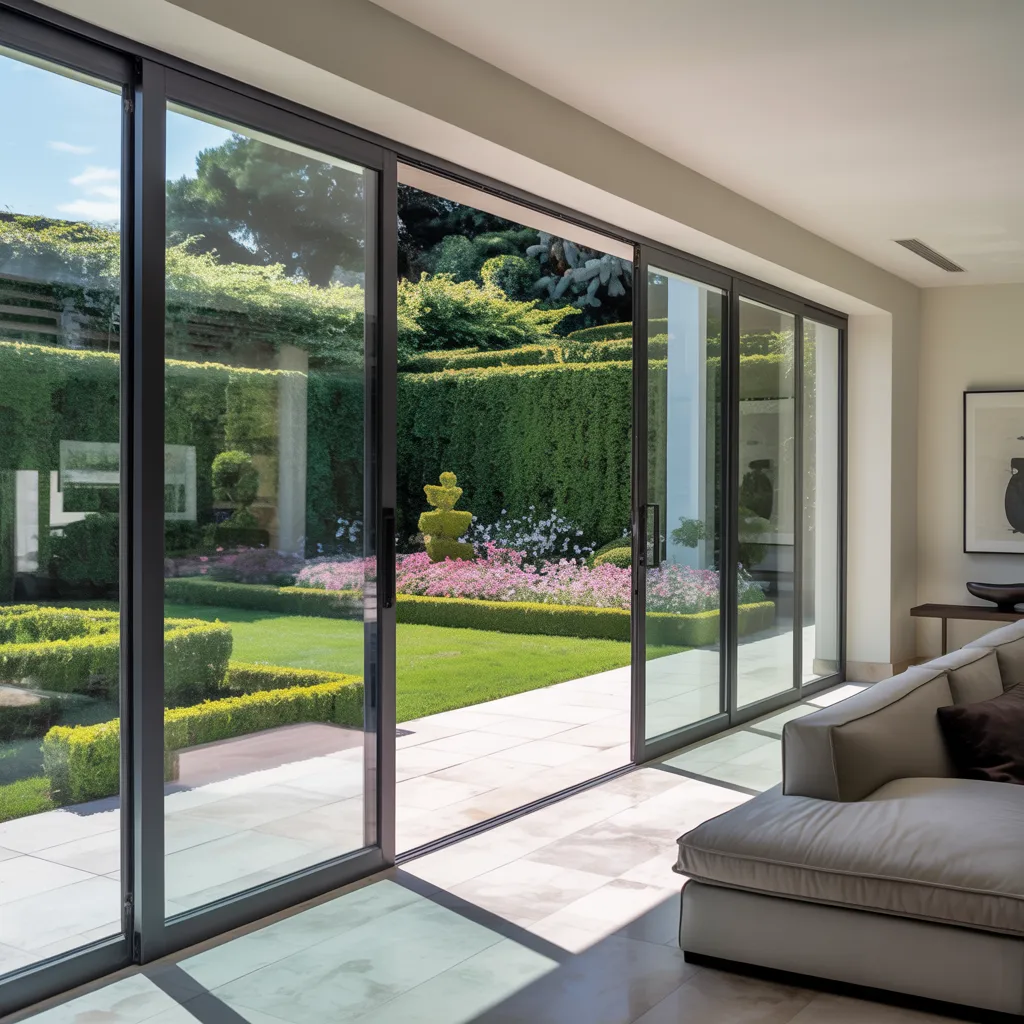
Embracing the allure of bright daylight revitalizes interior environments, building a pleasant mood that enhances both coziness and aesthetic qualities. Glass sliding doors act as a valuable means for maximizing this natural illumination. Their expansive glass surfaces allow sunlight to penetrate, lessening the barriers between outdoor and indoor spaces. This smooth transition not only brightens residential spaces but also creates an sense of spaciousness, leaving rooms appear more expansive and aligned with natural elements. By strategically placing sliding glass doors, property owners can make the most of views and sunlight at different periods of the day. Whether in a intimate culinary space or a large social area, the addition of sliding glass doors improves the overall mood, advancing a inviting and warm environment that supports ease and contentment.
Expand Space Efficiency
Modifying spaces with sliding doors can considerably boost space efficiency in houses. These doors eliminate the need for required clearance that conventional copyrightd doors require, allowing for more adaptable furniture arrangements and maximizing usable areas. By seamlessly connecting indoor and outdoor rooms, sliding doors create a sense of enlarged living spaces, fostering a more open atmosphere. They can be mounted in varying configurations to accommodate different layouts, ensuring perfect movement and accessibility. Moreover, many modern sliding doors come with slim frames and large glass panels, which not only enhance appearance but also reduce visual distraction. This well-thought-out design nurtures a helpful guide smooth transition between environments, ultimately improving both space and efficiency in contemporary living.
Protecting Your Sliding Doors for Sustained Beauty
Caring for sliding doors requires ongoing maintenance to determine they remain both dependable and aesthetically pleasing. Routine cleaning is fundamental; dirt and debris can settle in pathways, compromising function and causing damage over time. Dwellers should use a soft cloth and soft cleanser to buff the glass and frames, promising a unobstructed view and engaging look.
Additionally, assessing the tracks and rollers for signs of wear is key. Treating these sections with a silicone spray can avoid sticking and help uninterrupted operation. Checking the seals for defects or deterioration helps maintain energy efficiency and stops water penetration.
Finally, periodic assessments of the door's orientation can identify any problems in advance, making for timely adjustments. By dedicating a modest amount of time in these maintenance tasks, sliding doors can remain effective indoor-outdoor spaces while keeping their beauty and usefulness for years to come.
Revamp Your Outdoor Area Using Pocket Doors
Sliding doors seamlessly erase the lines between indoor and outdoor living, creating a seamless flow that enhances any space. By integrating sliding doors into outdoor areas, homeowners can convert their patios, gardens, or balconies into practical additions of their interiors. These doors draw in natural light, making outdoor spaces feel more welcoming and connected to the home.
Moreover, sliding doors can enhance the visual attractiveness of exterior spaces, providing unobstructed views of nature while offering easy access. They create a versatile environment for unwinding, eating, or hosting guests, enabling for flexible utilization of space according to the season.
Additionally, the diverse range of styles and materials obtainable confirms that sliding doors can match any architectural design, upgrading the visual appeal of the property. All in all, the integration of sliding doors not only boosts outdoor functionality but also improves the living experience by developing a peaceful bond with nature.
How Sliding Doors Transform Hosting Simple and Relaxing
The integration of sliding doors improves not only the aesthetic and functional aspects of outdoor spaces but also greatly simplifies the act of hosting events. With their smooth transition between indoor and outdoor areas, sliding doors create an inviting atmosphere for social occasions. Hosts can effortlessly transition between kitchens and patios, offering refreshments without experiencing limitation.
Moreover, the expansive openings encourage communication among visitors, encouraging mingling and interaction. The ability to easily expand a room enables for larger gatherings, hosting more guests comfortably.
In addition, the convenience of sliding doors means that outdoor amenities, such as grills or seating areas, are just close by, reducing the need for excessive trips indoors. This ease of access adds to a relaxed setting where entertainers can enjoy their time just as much as their guests. Ultimately, sliding doors convert hosting into a more pleasant and less stressful activity.
Boosting Natural Light and Views Through Sliding Doors
Plenty of natural light and stunning views can alter dramatically a home interior, and sliding doors are vital in achieving this effect. By forming spacious openings, sliding doors dissolve obstructions between interior and exterior environments, allowing light to flood interiors. This not only enhances luminosity but also enriches the general atmosphere, making areas feel more open and welcoming.
Furthermore, gliding glass doors present unimpeded vistas of gardens, patios, or landscapes, bringing the beauty of nature indoors. The seamless shift encourages residents to connect with their surroundings, building a sense of connection to the outdoors.
Furthermore, contemporary sliding doors often include expansive glass surfaces, which optimize natural illumination while offering energy-efficient options that maintain pleasant interior climate. This combination of aesthetics and functionality renders sliding doors an perfect option for boosting daylight and captivating outlooks in any home.
Regular Inquiries Asked
Do Sliding Doors Offer Energy Efficiency Across Diverse Climates?
Sliding doors can be energy-efficient in varying climates, particularly when fitted with double or triple glazing. Adequate insulation and weather stripping further enhance their performance, minimizing heat loss and sustaining comfortable indoor temperatures throughout the year.
What Security Features Are Offered for Sliding Doors?
Sliding doors offer various protective elements, such as multi-lock mechanisms, reinforced frames, protective bars, and impact-resistant glass. These enhancements discourage unwanted access, providing homeowners with increased sense of security concerning their indoor-outdoor spaces.
How Do Sliding Doors Impact Property Selling Price?
Sliding doors can improve home resale value significantly. Their attractiveness stems from offering smooth transitions between interior and exterior spaces, attracting buyers looking for contemporary design and practical features, hence possibly resulting in higher offers and faster sales.
Is it possible to put in sliding doors without professional help?
One can install sliding door assemblies independently, given that they possess basic carpentry competencies and required tools. However, thorough measurement, precise leveling, and complete sealing are necessary to guarantee satisfactory operation and energy savings, thus making professional counsel advisable for beginners.
What Are the Top Materials for Sliding Doors?
The best choices for sliding doors offer vinyl for efficiency in energy use, aluminum for durability, and wood for charm. Each option provides particular benefits, allowing homeowners to choose based on design, maintenance, and environmental considerations.